
Why Continuity of Care Matters for Chronic Disease Management
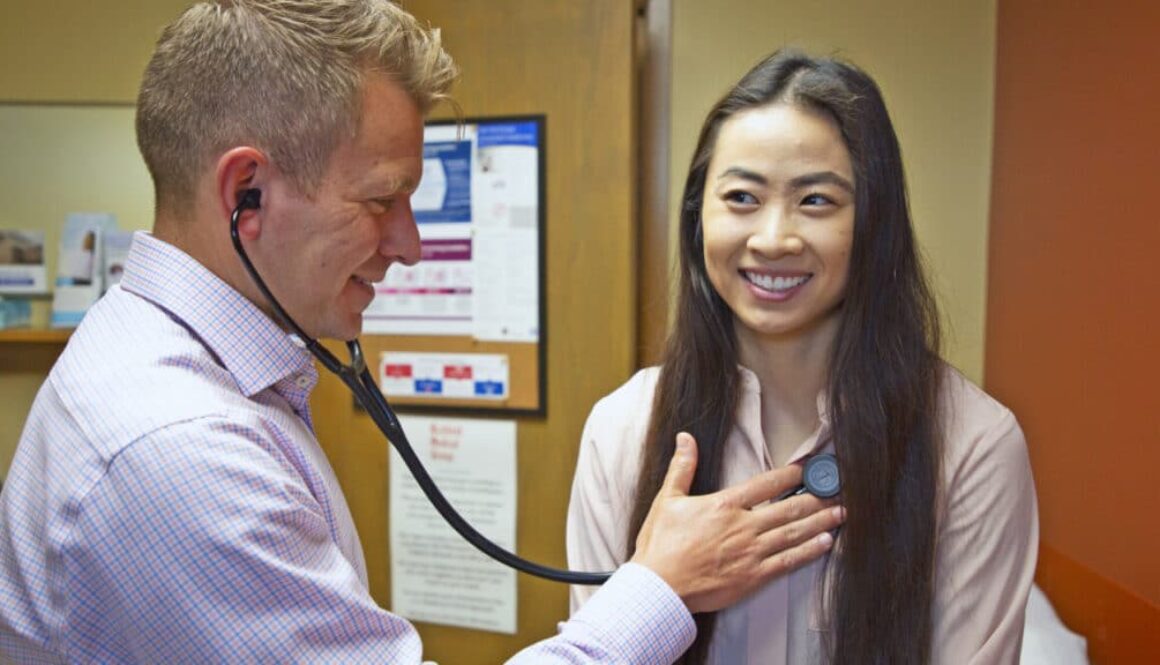
Most people view a doctor’s visit as a singular event where you discuss a symptom and leave with a plan. However, your overall health is not defined by an isolated set of symptoms. Continuity of care is an essential piece of chronic disease management. When one team oversees your health journey from routine physicals to complex diagnoses, it becomes easier for medical professionals to identify concerns, provide meaningful patient support, and develop a full understanding of the patient’s medical needs.
What Does Care Coordination Look Like?
You might wonder what happens after you leave the exam room or when you are referred to a specialist at a different clinic. This is where care coordination supports you. It is the active process of connecting the dots between your various providers to ensure everyone is moving in the same direction.
Our team operates as the central hub for your medical information. When you see a specialist, we ensure they have access to your relevant records so they understand your background before you walk in the door. Once your consultation is complete, we review their notes and test results to integrate them into your larger health plan. This open line of communication ensures your care is seamless and prevents you from having to repeat your medical history to every new person you meet.
Coordinating Care for Multiple Conditions
Managing a single health issue takes effort, and that effort increases when you are navigating several conditions at once. Patients with overlapping needs often have to juggle various treatment plans or medication schedules. Our role is to simplify this process for you.
We coordinate care for multiple conditions by looking at how they interact with one another and helping patients manage this complexity:
- Medication Safety: We review every prescription you take to ensure your treatments work well together and support your overall goals.
- Balancing Recommendations: Specialists provide deep expertise in specific areas. Our team looks at the whole picture to help you prioritize a treatment plan.
- Streamlined Testing: We track your lab work to avoid unnecessary duplicate tests.
- Lifestyle Integration: We work with you to create plans for lifestyle changes that are safe, effective, and sustainable.
The Benefits of Comprehensive Primary Care
A primary care provider acts much like a guide for your health journey. We see the entire landscape and help you navigate it with confidence. Comprehensive primary care focuses on prevention and stability just as much as treatment. Because we know what is normal for you, we are often able to spot subtle changes early.
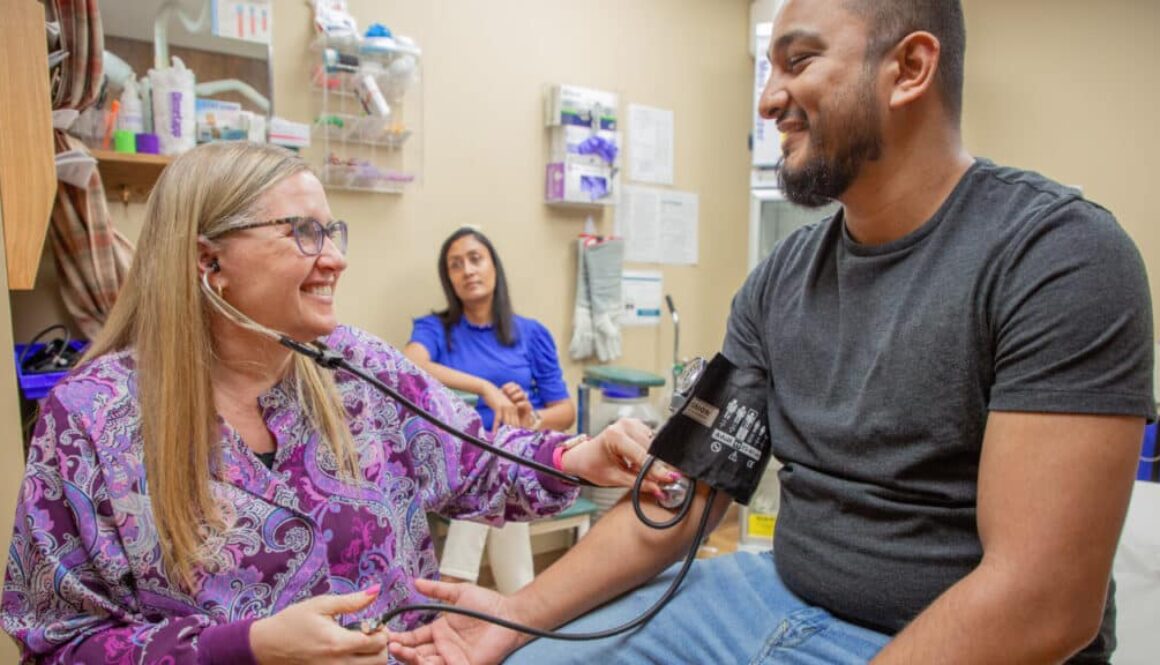
This depth of knowledge allows us to address issues before they become major disruptions to your life. A slight change in blood pressure or a shift in mood might be missed by a doctor who meets you once. To a provider who has known you for years, these can be clear signs of a potential issue.
Your Medical Home
Navigating the healthcare system is easier when you have a partner. You deserve a team that stays with you through every stage of life and advocates for your best interests. We invite you to make Richfield Medical Group your medical home. Let us handle the details of your medical records and referrals so you can feel confident in your care plan.