In order for you to make informed decisions about your health, it’s important to understand just what healthcare options are available to you. One way to do that is to understand what you get out of visiting a hospital vs clinic.
What is a Hospital?
Hospitals are larger healthcare institutions equipped to handle a wide range of medical needs, including emergencies, surgeries and inpatient care. They provide comprehensive services, such as:
Emergency Services: 24/7 care for acute conditions and injuries
Inpatient Care: Extended stay for those who require intensive treatment or recovery post-surgery
Specialized Services: Access to specialists and advanced technology for complex diagnoses and treatments
What is a Clinic?
Clinics are typically smaller healthcare facilities that provide outpatient services. They focus on preventive care, routine checkups, minor illnesses and chronic disease management.
Clinics like Richfield Medical Group offer a variety of services, including:
Primary Care: Regular health checkups and screenings to manage overall health
Preventive Care: Immunizations, health education and lifestyle counseling to prevent illnesses before they arise
Minor Procedures: Treatments for common ailments that don’t require hospitalization, such as stitches or skin biopsies
Clinic vs Hospital: Which is Best?
Whether you choose between a clinic or a hospital depends, of course, on your needs. Ultimately, you will know those better than anyone, but if you need a second opinion, please give us a call.
What Do We Offer at Our Clinic?
Richfield Medical Group is a clinic that provides patient-centered healthcare in the Twin Cities community. Our approach emphasizes not only treating illnesses but empowering you to take charge of your well-being. We do this through continuing education and resources, personalized care plans, accessible services and by regularly giving back to our community.
Whether you’re looking for routine care or more information about what we offer, we’re here to support you on your wellness journey. Let’s work together to navigate your healthcare options effectively.
Getting regular check-ups is an important part of maintaining your physical health. In the past, people only used to visit their doctors when they were sick, but that trend has changed. Preventative health care is becoming commonplace. People are becoming more health conscious and many are eager to take a more active stance in managing their health.
There has never been a better time to preemptively seek medical advice on how to live a healthy lifestyle. This is why scheduling Medicare Wellness screenings is so important. Read on as we explain everything you need to know about them.
What Is a Medicare Wellness Screening?
Once you enroll in Medicare, you are eligible to receive a Welcome to Medicare Wellness visit within the first 12 months. An annual wellness screening is a yearly appointment with your primary care physician. When you come in for your Medicare Wellness screening, you can expect the following:
Complete review of your medical and social history
Depressing screening
Fall risk screening
Blood pressure, height, weight and BMI check
End-of-life planning discussion
Education, counseling and a referral based on results of review
Your Annual Medicare Wellness Visits Are Important
After your first visit, you should continue attending Medicare Wellness screenings on a yearly basis. You will find that these visits are similar to the initial one you had. You can expect:
A review and update of past medical, family and social history
Blood pressure, weight and BMI check
Depression screening
Screening for fall risk and ability to perform daily living activities
Cognitive impairment screening
Review of your current medical providers, such as if any specialists are involved in your care
Review of medications
Health advice covering risk factors and how to minimize them, as well as treatment recommendations
We Provide Outstanding Primary Health Care
Richfield Media Group provides in-clinic services, such as radiology, access to a hearing specialist, and of course laboratory testing and screening. In most cases, our physicians receive and review your results within 5-7 days. When you visit Richfield Medical Group, you will enjoy a collaborative, accessible healing environment. Our fun, passionate team members strive to improve and sustain your health. In most cases, the key to staying healthy is by staying ahead of the curve. That is why preventative care is so important.
Are you trying to decide which level of care is right for you? Look no further. At Richfield Medical Group, we take a personal and proactive approach to improving and maintaining our patients’ health. From virtual visits and testing to preventative care, our dedicated medical staff prioritizes the health of you and your loved ones. If you would like more information on virtual visits, primary health care or Medicare Wellness screenings, please contact us today.
While the appropriate response to waking up in the middle of the night with crushing chest pain is easy to determine, every unexpected ache does not require a visit to the emergency room. Less obvious symptoms like headaches may only require direct primary care or a virtual visit. However, direct primary care may be unavailable when symptoms occur, such as during evenings, weekends or holidays. So how do you decide between seeking a visit to the hospital, urgent care or clinic? Read on to find out which may be the right choice for you.
Hospitals: Your First Choice for Emergencies
When you experience discomfort, it is easy to think of calling someone you are most comfortable with to solve the problem; when it comes to medical issues, that person is usually your direct primary care physician. They are the ones who are most familiar with your medical history and you already have an established relationship with them. However, they may not be available when you need them or, depending on your condition or symptoms, they may refer you to another specialist who is better equipped to assist you.
Urgent Care: Convenient When Direct Primary Care is Unavailable
If you can’t get to your primary care physician, urgent care may be the right choice. Urgent care centers offer many of the same services you can expect from a visit to your direct primary care provider, in addition to outpatient testing. If you are experiencing episodic but minor issues, urgent care is aconvenient option that serves as a happy medium between a visit to your family doctor and the emergency room. Urgent care centers can assist you with:
Keeping this in mind, it is wise to call ahead if you are planning to visit urgent care to make sure your concern can be accommodated; the level of care you will receive depends on how many staff members are available, as well as their expertise.
Family Health Clinics: Reliable, High-Level Care
Family health clinics are your best option for steady, consistent health care for you and your family. They offer a diverse range of primary and preventative health care services for both children and adults, and are geared towards creating consistent treatment plans for optimal results. If your symptoms do not warrant an emergency trip to the hospital or to urgent care, family health clinics are the preferred option.
Prioritize Your Health with Richfield Medical Group
At Richfield Medical Group, our primary care clinicians provide personalized care to our patients in the Minnesota community. We take a personal and proactive approach to improving and maintaining our patients’ health. From virtual visits and testing to preventative care, our dedicated medical staff prioritizes the health of you and your loved ones. If you would like more information on virtual visits, primary health care or family health clinics, please contact us today.
As a family-oriented primary care provider, our physicians and care team build close and lasting relationships centered around improving and sustaining the health of our patients and their families.
We believe that great healthcare requires strong communication, collaboration and an atmosphere of trust. At Richfield Medical Group, you will be able to receive preventative care, chronic care management, and support for acute illnesses with a proactive and patient-centered approach. Read on to learn more about our outstanding family medicine providers.
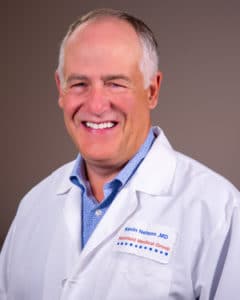
Kevin C. Nelson, MD
Kevin is a graduate of Augustana College and Rush Medical School and has been in practice at Richfield Medical Group since 1991. He completed his family practice residency at West Suburban Hospital in Oak Park, IL and treats patients of all ages, including teens, families and seniors. Kevin is an active community member, having coached many teams and volunteered with several organizations. He is particularly fond of golf and enjoys watching movies, reading, biking, and traveling with his family.
Justin Golden, MD
Justin grew up in a small town on the south shore of Massachusetts. He received his bachelor’s degree from Harvard University and then attended Boston University School of Medicine. He completed his family medicine residency at the University of Minnesota St. John’s Hospital program in St. Paul, MN. Justin previously practiced at an independent clinic in his home town before moving back to the Twin Cities. He and his wife, Becky, are excited to be back in Minnesota near her family where their three young children can grow up with their cousins. He believes deeply in the values of family practice and is honored to have the opportunity to provide the full spectrum of care to patients throughout their life. He is particularly interested in sports medicine, pediatrics and preventative care. Justin loves to spend as much time with his family as possible, but when they need a break from him, he enjoys running the lakes, checking out restaurants and coffee shops, and pretending he is a mediocre fly fisherman. He is so grateful to have an opportunity to work in a patient-centered clinic where he can develop meaningful, long-lasting relationships with people while working together to achieve their health goals.
Alice Macdonald, MD
Alice Macdonald is from London, U.K. and attended medical school at Sheffield University in England. She completed her first family medicine residency while serving in the British Army. She then married her Minnesotan husband, Scott, while he was living in London. She has since learned that there are only two types of Minnesotans: those that never leave and those that eventually come back so it was inevitable she was going to end up in the land of 10,000 lakes. She completed family medicine residency number two at the University of Minnesota, Methodist Hospital program with Park Nicollet, followed by four years working in a clinic in Eden Prairie, MN. She thrives on building a sincere and caring professional relationship with her patients, offering a warm and friendly bedside manner and helping people arrive at the health care choices that feel right for them. She delights in being able to provide thoughtful primary care to men, women and children of all ages and feels it is an honor to be able to offer management of acute and chronic health needs and preventive medicine at every stage of life. She enjoys all aspects of primary care including a number of office-based procedures (joint injections, minor dermatological procedures) and contraceptive management. She is also board certified in medical weight management. Alice enjoys spending time with her husband and two children, running, scuba diving, cycling, quilting, attending book club and spending time at the family cabin on the St. Croix River.
Jennifer Wilson, FNP-C
Jennifer Wilson resides in Minnetonka, MN right near where she grew up. She is a board certified family nurse practitioner who enjoys caring for individuals throughout the entire lifespan and developing meaningful relationships with patients and their families. She has special interests in pediatrics, women’s health and nutrition. She holds two Bachelor’s degrees: one from the University of Minnesota in nutrition and the other from Loyola University in Chicago for Nursing. Her Masters degree in nursing was obtained at Minnesota State University, Mankato. When not with her work family, she enjoys spending time with her husband and two young girls. Weekends at the family cabin, swimming, biking, running, and spending time outdoors are favorite pastimes. She is excited to join this group of excellent, compassionate providers here at Richfield Medical Group.
Prioritize Your Health with Richfield Medical Group
Richfield Medical Group is patient-centered. Our physicians and care team build close and lasting relationships centered around improving and sustaining the health of our patients and their families. We keep parents informed and empowered in managing their health. If you are looking for a family-centered practice, reach out to us to make an appointment at 612-861-1622. We look forward to meeting you and taking an active role in your health.
Testing is an important part of receiving appropriate primary care. At Richfield Medical Group, our patients are tested for a wide variety of ailments, but one thing is always common: they are anxious about when they will receive their results. Are you wondering the same thing? Read on as we unpack the answer together.
Receive Standard Test Results Within 5-7 Days
Richfield Media Group provides in-clinic services, such as radiology, access to hearing specialists, and of course laboratory testing and screening. In most cases, our physicians receive and review your results within 5-7 days. When you visit Richfield Medical Group, you will enjoy a collaborative, accessible healing environment. Our fun, passionate team members strive to improve and sustain your health. In most cases, the key to staying healthy is by staying ahead of the curve, which is why preventative care is so important. When it is time for your physical, we will review your medical history and medication, check your blood pressure and screen for depression and cholesterol, depending on your age. This is also a space where you can discuss concerns with your physician. No matter what it is, we will ensure you receive direct primary care.
Receive Lab and Imaging Results Within 10 Days
You can safely expect to receive test results for lab, imaging or procedures within 10 days. With that being said, some tests may take longer for our physicians to analyze and communicate with you. We will guide you every step of the way. Our emphasis on being a family practice ensures you and your loved ones receive comprehensive care at all times. You will be able to receive preventative care, chronic care management, and support for acute illnesses. We will also give you a call promptly if your test results have a critical value.
Receive Physician Communication Through MyChart
We utilize a system called MyChart. Through this user-friendly software, you can expect to receive all normal test results in a convenient and protected online location. However, you may also be notified via phone or direct mail. If you do not receive your results within 10 days, give us a call and we will sort it out together. Sometimes, life throws us curve balls which is why Richfield Medical Group provides same day appointments. No matter when you need us, we will be here to give you the care you need. We work to develop relationships with all of our patients and their families. Even if your primary physician is unavailable, we will do our best to offer you an appointment with a replacement.
Stay Healthy with Richfield Medical Group
At Richfield Medical Group, we take a personal and proactive approach to improving and maintaining our patients’ health. From testing to preventative care, our dedicated medical staff prioritizes the health of you and your loved ones. If you would like more information, or would like to make an appointment, please contact us today.
Asthma is the leading cause of emergency room visits, hospitalizations and missed school days among children. A common chronic inflammatory disease of the upper respiratory system, asthma causes inflammation of the lungs and airways which restricts breathing when triggered. Left untreated, asthma can cause long-term damage to a child’s developing lungs. In addition to situational triggers like seasonal allergens, traffic pollution and respiratory infections such as the common cold, children often experience disruptive daily symptoms. Kids suffering with asthma may struggle to participate in active play and sports, and experience interference with sleep and study. Without proper management, asthma can lead to life-threatening attacks. Childhood asthma cannot be cured and symptoms may continue into adulthood, but the right treatment can control its symptoms and prevent lung damage.
Asthma is serious and Richfield Medical Group cares about keeping parents informed about the signs of childhood asthma. The development of asthma is influenced by both hereditary and environmental factors, so even if asthma doesn’t run in your family, it is vital to know the symptoms to watch out for in your children.
Your Child Is Wheezing
Wheezing is a high-pitched, whistle-like sound that occurs when breathing. When the airways are constricted, your child’s breath is forced through tightened, narrow passages. Similar to why a tea kettle whistles, this pressured air produces oscillations which form sound waves. While wheezing can be a normal symptom of an active respiratory infection like bronchitis, frequent wheezing may indicate asthma.
Your Child Frequently Coughs
A regular cough is another telltale sign of childhood asthma. An inflamed respiratory system and the constriction of airways makes the lungs more sensitive to irritants, triggering the body to try to expel whatever is causing the irritation. Listen for a dry cough, one that does not produce mucus, and be especially mindful of your child’s cough at night. Sleeping can exacerbate an asthma cough, which is a strong indication that you should seek treatment for your child.
Coughing and Wheezing are Triggered by Regular Activities
Asthma can worsen or trigger bouts of coughing and wheezing during regular activities like playing and even laughing. If you notice that your child begins coughing and wheezing while expressing emotion, engaging in physical activity or when exposed to cold temperatures, it’s important to make an appointment with your doctor.
Coughing and Wheezing is Triggered by Regular Activities
Asthma can worsen or trigger bouts of coughing and wheezing during regular activities like playing and even laughing. Excited communication and exercise change breathing patterns, causing a form of hyperventilation. This can also happen when your child breathes cold air. If you notice that your child begins coughing and wheezing while expressing emotion, engaging in physical activity or when exposed to cold temperatures, make sure to seek a doctor’s guidance.
Your Child is Short of Breath or Fatigued
Children with asthma experience shortness of breath, especially when playing or exercising. Pay attention to your child’s breathing. Fast or pressured breathing, breathing that causes the skin around their rib cage to tighten and complaints of being out of breath are all strong indicators of asthma. Your child may also express that their chest feels tight. Along with shortness of breath, you may notice that your child is fatigued due to the disruption of sleep from night coughs as well as the restricted flow of oxygen.
Treat Your Child’s Asthma with Richfield Medical Group
Richfield Medical Group is a family-oriented primary care provider. We believe that great healthcare requires strong communication, collaboration and an atmosphere of trust especially when it comes to our youngest patients. Richfield Medical Group is patient-centered. Our physicians and care team build close and lasting relationships centered around improving and sustaining the health of our patients and their families. We keep parents informed and empowered in managing their children’s health, including chronic conditions like asthma. If you’re concerned that your child may have asthma, reach out to us to make an appointment at 612-861-1622. We look forward to helping you and your little one breathe easier.
As a parent, you often have many thoughts and concerns about how to help keep your child healthy. Thankfully, many vaccinations and immunizations have been carefully developed to help your children live long, healthy lives.
Different immunizations are recommended at various ages, especially for very young children. The recommended schedule can be different for everyone, but if your child is able to receive all of the recommended shots, they will be protected against 14 potentially serious diseases before they turn two years old. Your child’s vaccination schedule can depend on where you live, your child’s health, and the type of vaccine. Talk with your family doctor about the vaccinations your child will need and when they should receive them to come up with a timeline that best suits the health of your child.
Your Baby’s First Shot
Shortly after birth, the first shot or immunization your baby should receive is their first dose of Hepatitis B. This vaccine is often given within the first 12 hours after being born. This shot protects your child from getting Hepatitis B (HBIG) from you or other family members that may be affected.
Continue to Keep Your Family’s Immunizations Updated
As our children get older, other vaccinations are needed to fight off potentially dangerous diseases. The CDC recommends that children receive the Influenza shot once every year, but other vaccinations that are important to help fight potential dangerous diseases as your child grows older include the HPV and Meningococcal disease vaccines.
If your child ever misses a vaccination, the best time for your child to catch up is between the ages of 13-18 years old. Keep record of the vaccinations your child receives throughout the years. This is especially important as colleges, technical schools, or universities check that all students have updated vaccinations before attending.
Richfield Medical Group Can Help
Connect with a healthcare provider to learn more about the shots your child needs and when. Whether you are looking for more information regarding the availability, necessity, and administration of immunizations, or you are seeking a trusted primary healthcare professional for your family, our doctors and understanding staff can help point you in the right direction for the treatment of your child. Contact us today at https://richfieldmedicalgroup.com/ to schedule your child for a hassle-free visit.
Vaccinations. The word has certainly taken on a new social and cultural significance in 2021. However, vaccines (also known as immunizations) have been around for many decades, and have been part of a recommended healthy lifestyle for just as long. Crippling diseases such as polio have been rendered practically nonexistent because of the medical breakthroughs immunizations provide.
Shortly after the influenza outbreak in the early 1920s, U.S. schools began requiring vaccinations for all students. While exceptions can be made to these requirements in most states on the grounds of medical risks, religious beliefs, or philosophical opinions, the majority of children are vaccinated. Here are the top 3 reasons why schools require vaccines.
1. Preventing Outbreaks
The most obvious reason to be vaccinated for a disease is to avoid contracting it. When students miss school due to illness, their studies can lag and they often fall behind. If an extremely contagious or deadly virus erupted in a school, the entire school might shut down for a time, and many people could become unhealthy. In the interest of preserving learning timelines, and the health of the students, schools hold fast to vaccine requirements to prevent the outbreak of certain illnesses.
2. Preserving Herd Immunity
A lesser known reason that vaccines are important for the greater public, not just for school administrations, is due to the concept of herd immunity. Herd immunity is the generalistic protection of a population from a disease due to a sufficient number of individuals possessing antibodies (whether by previous infection and recovery, or by immunization). Vaccinations ensure that a large portion of the population maintains immunity to certain contagious diseases, thus reducing their risk of detriment to the population as a whole. If immunizations were to cease completely, the number of immune individuals would plummet. And then, if the disease were to re-emerge later, an outbreak of substantial proportions could wreak havoc on the population due to a high number of vulnerable candidates.
3. Immunizations Are Less Expensive
Believe it or not, the technology that vaccines require for their development, distribution, and storage, is less costly than the alternative to them. In the case of a major outbreak, the medical system as well as individuals would absorb enormous healthcare costs. The cost of treating severely ill patients, coupled with the opportunity cost of their time spent immobilized and recovering, poses a serious financial threat.
Richfield Medical Group Can Help
Whether you are looking for more information regarding the availability, necessity, and administration of immunizations, or you are seeking a trusted primary healthcare professional for your family, Richfield Medical Group can help. Our doctors prioritize the health of you and your loved ones, and our approachable, understanding staff can help point you in the right direction for the treatment of your child. Contact us today at https://richfieldmedicalgroup.com/ to schedule your child for a hassle-free visit.
Kids love certain things – playing games, watching movies, eating sweets, laughing. Going to the doctor doesn’t always fall into the category of a child’s favorite activities. Many children actually develop a fear of going to the doctor, as it can be filled with sights and sounds they are not used to. Children can also associate the doctor with getting vaccinations, a common source of fear for a child.
If you are a parent struggling with keeping your kids calm when it’s time to schedule a doctor’s visit, you are not alone. Here are some tips for making your visit as smooth and painless as possible.
1. Educate Beforehand
One of the best ways to change your child’s perception of the doctor is to invest in kid-friendly educational resources before your visit. This can include watching YouTube videos or television programs designed for children, or walking your kids through a typical visit with the help of a children’s book. Even a doctor’s playset with a stethoscope and lab coat can help normalize the idea of doctor visits and even add an element of fun. Anything you can do to prepare the child before the visit will make your experience easier when it comes time to get the kids into the car.
2. Don’t Trick Your Children
A common mistake parents make involves issuing empty promises or effectively deceiving their child in order to elicit a certain response. For example, telling your child you are going somewhere other than the doctor, or telling them that they won’t be getting a shot, and then actually performing those things is a harmful cycle to create. Your child’s fear of the doctor is a much smaller issue than them being unable to place trust in you.
3. Be a Source of Comfort
Once the day of the visit has arrived, make an extra effort to provide comfort and reassurance to your child, especially during the visit. While in the doctor’s exam room, comforting touches on the shoulder or holding hands can help make the child feel that you are looking out for them. During a vaccination, allow the child to stay near to you, and when possible, always stay in the same room as the child during your visit.
4. Offer a Distraction
Providing your child with a few distractions can prove useful. On the car ride to the doctor’s office, perhaps allow your child to look at a screen or play with a puzzle. Even while in the exam room, captivating your child’s attention with a video or with a story can help distract them if they need a vaccination. Keeping the child’s eyes away from the needle will help lower their stress level before the vaccine is administered.
5. Give a Small Reward
It is widely accepted that positive reinforcement has enormous benefits in the workplace, with athletics, and in various other applications. It has also been proven to have benefits in shaping a child’s behavior. Offering a small reward to your child for going to the doctor, such as a piece of candy, a bit of extra screen time, or a trip to the park can soften the experience and leave a lasting, positive impression of the visit overall.
Consult Richfield Medical Group
If you know your child harbors fear surrounding doctor’s visits, having a plan in place and implementing strategies in advance can drastically improve their overall experience and will lessen their stress levels down the road. At Richfield Medical Group, the health of you and your loved ones comes first. Contact us today at https://richfieldmedicalgroup.com/ to schedule a hassle-free visit for your child.
If you’re dealing with a chronic illness or disease, it can be overwhelming. However, there are ways to put yourself in the best position for a healthy life through planning ahead and self-education. Here are some tips to overcoming the barriers of managing your chronic affliction.
Understanding Why
Firstly, it’s important to understand why you’re feeling the way you are. Strengthening your foundation of knowledge about your disease will make your treatment decisions easier and help pave a clearer path toward what is next for you. Increased knowledge will also increase your confidence about how your case is being handled.
Your doctors and nurses are the first people you should turn to for answers. Their recommendations for additional professionals to contact or resources to explore will carry significant weight and be backed by experience treating patients in your position.
Building Your Support System
Having a support network is important in every person’s life. That importance is amplified when you’re dealing with a chronic disease or illness. When you’re going through an adjustment to your lifestyle, talk to your family about it, and see if someone will join you on your journey. Whether it means exercising more, eating better, or starting a new daily schedule, doing it with someone else will make it all feel more manageable.
You’ll build a strong relationship with your doctors and nurses, but it’s worth reaching out to experts in specific fields. For example, if you need to change your diet, think about talking to a dietitian or nutritionist. Confiding in or bouncing ideas off of someone who has gone through a similar experience can also be immensely helpful.
If you don’t have a built-in support network, don’t be afraid to search online and reach out to local groups who can help you navigate your experience. It will be worth it.
Staying on Top of How You Feel
Take careful note of how you’re feeling. Nobody knows how you feel besides you! Listen to your body and make observations about how it’s changing. For example, if you notice you are gaining or losing weight at a rapid rate, that’s something to mention to your doctor. Note any soreness or trouble breathing you experience. Any mood swings or extremely low moments should also be monitored and shared with a medical professional.
While your day-to-day feelings may seem like a lower tier priority in the scope of your chronic illness, they could spiral into more serious problems if they aren’t addressed.
Have A Plan In Place
While we will always have hope for a favorable outcome, it’s important to have a plan in place if the diagnosis of a chronic disease or condition carries the potential of death. Make a plan for what kind of care you would like in the event of physical degradation and share your ideas and wishes with those closest to you. If an emergency situation develops, matters will be much easier and less stressful if your loved ones have a clear idea of how to proceed with your care.
Schedule Your Appointment With Richfield Medical Group
We’re here to help you navigate your chronic condition. For more information on managing a chronic illness for yourself or a loved one, and for help developing the right treatment plan for you, consult the experts at Richfield Medical Group. Schedule your appointment today through our website.
OUR LOCATION
RICHFIELD MEDICAL GROUP 44 W 66th Street, Unit 10 Richfield, MN 55423